

Screen time for Gen Beta infants: evidence-based basics
November 1, 2026 | by genbeta_admin
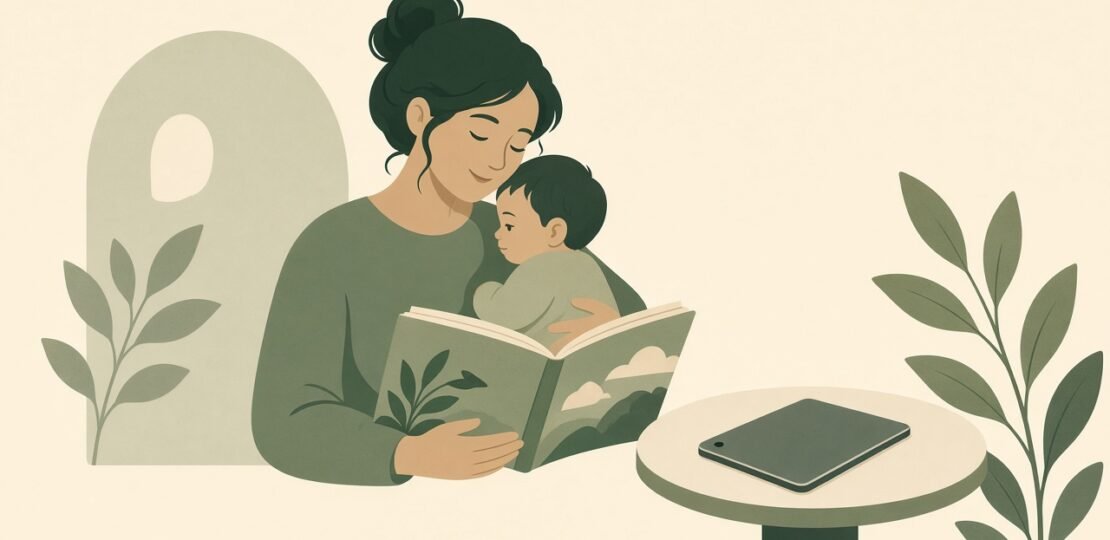
Screens are everywhere in a Gen Beta home: phones, TVs, tablets, smart displays. It is unrealistic to pretend your baby will never see one. But the guidance for the first years is clear, and it is more about protecting what babies need than about banning technology forever.
What the guidance says
World Health Organization (WHO)
The WHO’s guidelines on physical activity, sedentary behaviour and sleep for children under 5 recommend:
- Under 1 year: no screen time.
- 1 year: no sedentary screen time.
- 2–4 years: no more than 1 hour a day; less is better.
American Academy of Pediatrics (AAP)
The AAP suggests:
- Under 18 months: avoid screens other than video chatting.
- 18–24 months: if introducing media, choose high-quality programmes and watch together.
- 2–5 years: limit to about 1 hour a day of high-quality content, co-viewed.
Why it matters for babies
- Language comes from interaction. Babies learn words through back-and-forth conversation, which screens cannot provide.
- Movement and play build the brain and body. Time on screens is usually time not spent crawling, exploring and playing.
- Sleep is precious. Screens near bedtime can make settling harder.
- Background TV counts. Even a TV on in the background can reduce how much adults talk to babies.
What about video calls?
Live video chat with family is treated differently because it is interactive. A grandparent singing to your baby on a call is a social moment, not passive watching.
Realistic strategies for busy families
Guidelines are goals, not grades. Most parents will sometimes use a screen to shower, cook or survive a bad day. A few habits make a big difference:
- Create screen-free zones: the nursery, the dining table and the car seat are good places to start.
- Turn off background TV when no one is actively watching.
- Keep phones out of feeds where you can; use that time to talk and make eye contact.
- Have a “boredom basket”: a few safe household objects or simple toys for when you need ten minutes.
- Watch together once screens are introduced, and talk about what you see.
- Model it: your own phone habits shape your child’s from the start.
Gen Beta and AI screens
Smart displays, voice assistants and AI-driven video apps add a new layer: content that adapts, autoplays and never ends. For young children, turn off autoplay, avoid algorithmic feeds, and choose specific, finite programmes over endless recommendations.
A simple family plan
- Agree as a family on where screens are and are not allowed.
- Decide when screens will be introduced and what types of content.
- Review the plan every few months as your child grows.
The AAP’s Family Media Plan tool is a helpful free starting point.
Frequently asked questions
My baby has already watched some TV. Have I harmed them?
No. Occasional exposure is very common. Guidance is about overall patterns, and it is never too late to adjust.
Are ‘baby educational’ videos okay?
Evidence suggests babies under 18 months do not learn well from videos. Talking, reading and playing together are far more effective.
How do I handle screens with older siblings around?
Put shows on when the baby is napping where possible, or keep the baby’s play area out of sight of the screen.
What the guidance says, by age
- Under 18–24 months: avoid screens other than video chatting (AAP); WHO advises no screen time for under-1s.
- 18–24 months: if you introduce media, choose high-quality content and watch with your child.
- 2–5 years: limit to about one hour a day of high-quality programming, co-viewed where possible.
Why it matters for babies
Babies learn through “serve and return”: they babble, you respond. Screens can’t respond to a baby’s cues, and background TV reduces how many words parents speak. Short-term, a cartoon may calm a fussy baby; long-term, it replaces the interaction that builds language, attention and sleep.
Real-life situations, and what to do instead
“I need 15 minutes to cook.”
Put baby in a safe spot nearby with a steel bowl and spoon, a cloth book, or a basket of safe household objects. Talk to them while you chop.
“Grandparents keep the TV on all day.”
Ask kindly for TV-off time while baby is awake in the room. Offer an alternative: grandparents reading, singing traditional songs or taking baby for a walk.
“Feeding only works with rhymes on YouTube.”
Very common in Indian homes. Wean off slowly: sing the same rhymes yourself, use a picture book, and accept some messy meals while the habit changes.
“We travel a lot.”
Pack a small activity bag: finger puppets, a board book, a teether and stickers for older babies. Occasional screen use on a long flight is not a disaster.
A seven-day reset plan
- Day 1: notice when screens are on while baby is awake.
- Day 2: switch off background TV during play and meals.
- Day 3: create a phone basket for family meals.
- Day 4: add one daily reading session.
- Day 5: plan two outdoor walks.
- Day 6: replace one screen moment with music or singing.
- Day 7: agree a simple family media rule together.
Screen-free play ideas that actually work
We may earn a commission if you buy through these links, at no extra cost to you. Links open store search results so you can compare brands and current prices. How we choose.
- High-contrast cards and cloth books — newborns love black-and-white images in the first months.
Check prices: Amazon.in · Flipkart · FirstCry - Stacking cups or rings — cheap, durable and great from 6 months.
Check prices: Amazon.in · Flipkart · FirstCry - Board books in Hindi and English — reading in your home language builds vocabulary.
Check prices: Amazon.in · Flipkart · FirstCry - Play mat or play gym — safe floor time and tummy time.
Check prices: Amazon.in · Flipkart · FirstCry - Soft balls and rattles — grasping, shaking and rolling practice.
Check prices: Amazon.in · Flipkart · FirstCry
FAQs
Is background TV harmful?
Research links background TV with less parent talk and less focused play. Turning it off when baby is awake is an easy win.
Are “educational” baby videos okay?
Studies show babies don’t learn words from videos the way they learn from people. Save them for later toddlerhood, if at all.
What about video calls with family abroad?
Encouraged. Live, responsive video chat is the exception in both WHO and AAP guidance.
Related: First-year checklist · AI in the nursery · All Baby Year-0 guides
Have a question we should cover? The Gen Beta Guide is written for real families. Send us a note and we may answer it in a future article.
This article is general information, not medical advice. Always talk to your paediatrician or health visitor about your own child.
RELATED POSTS
View all


Diapering and first-year shopping list for India (month by month)
November 1, 2026 | by genbeta_admin
Raising Gen Beta: the first-year checklist for AI-native babies
November 1, 2026 | by genbeta_admin
Baby registry essentials for India: what you really need (and what to skip)
November 1, 2026 | by genbeta_admin